



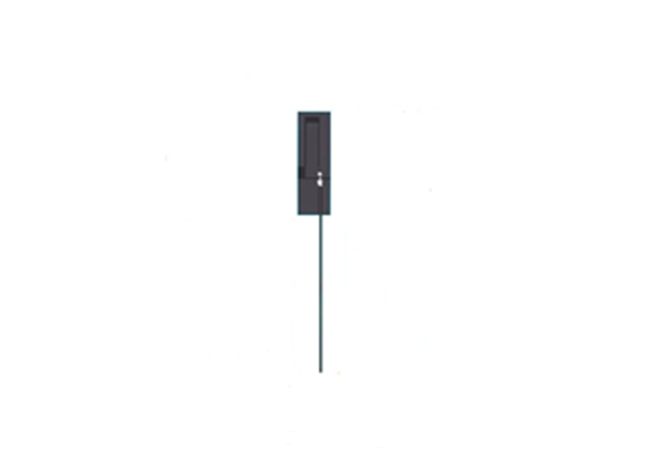
The Key Features of 868MHz Antennas
- Optimized for 863-870MHz ISM band
- Compatible with LoRa, LoRaWAN and LPWAN devices
- Omni directional and directional types available
- Low VSWR and High Efficiency
- Indoor and outdoor optional
- OEM & ODM Customization Supported
- 50 Ohm impedance
- SMA, N-Type, TNC, IPEX and custom connectors
- RoHS Compliant
What is an 868MHz Antenna ?
An 868MHz antenna is tuned for the 863–870 MHz frequency range. This band is commonly designed for license-free industrial and IoT applications in Europe and is especial for:
- LoRa®
- LoRaWAN®
- LPWAN
- Smart metering
- Industrial telemetry
- Wireless sensor networks
- Building automation
- Environmental monitoring
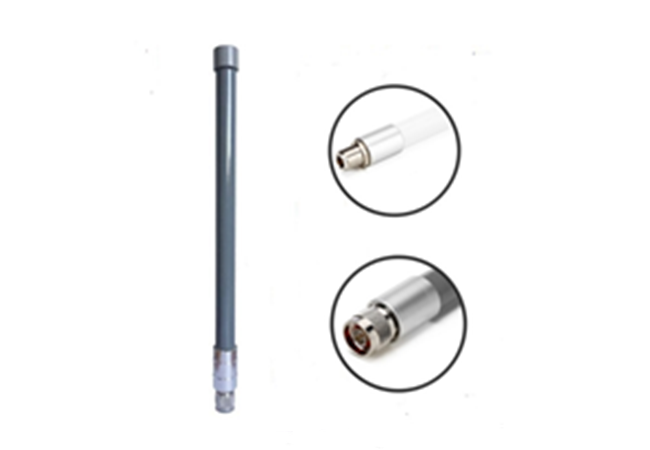
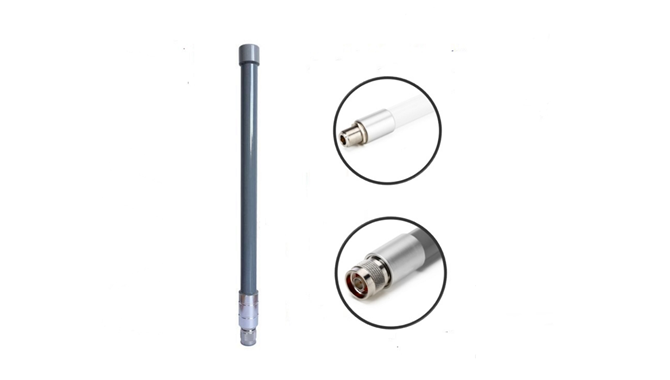
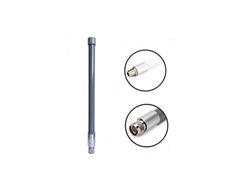
868MHz Fiberglass Antenna
Designed for permanent outdoor installations on gateways and base stations.
Applications:
- LoRaWAN® gateways
- Helium® hotspots
- Smart city infrastructure
- Agricultural deployments
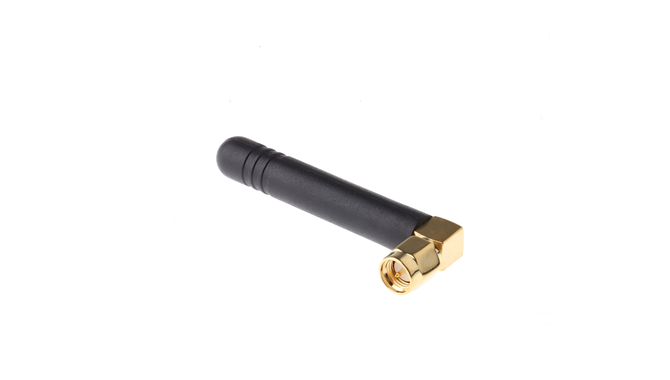
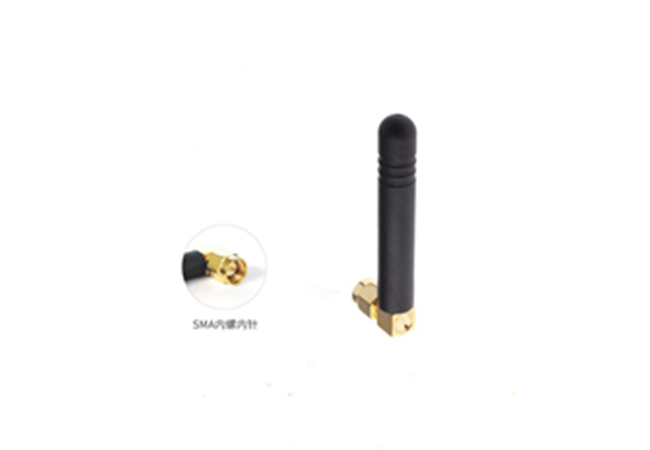
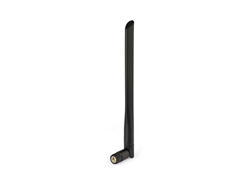
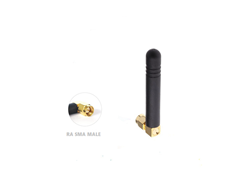
868MHz Terminal Mount Antenna
Compact antennas that connect directly to the device’s RF connector.
Applications
- Gateways
- Industrial routers
- Wireless controllers
- IoT devices
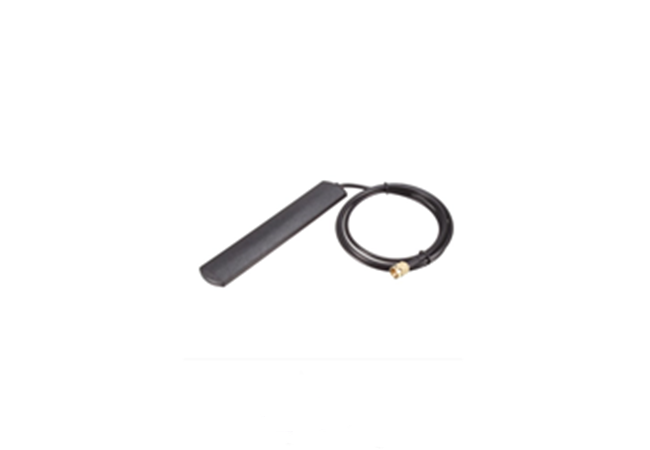
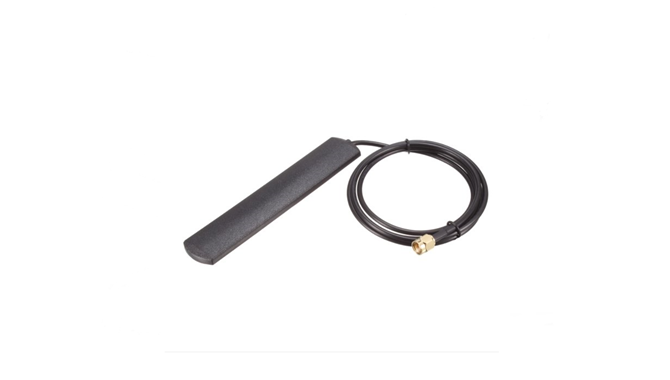
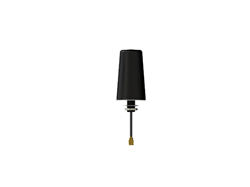
868MHz Adhesive Mount Antenna
Feature a strong adhesive base for quick installation on smooth surfaces.
Applications
- Equipment enclosures
- Kiosks
- Smart meters
- Industrial control panels
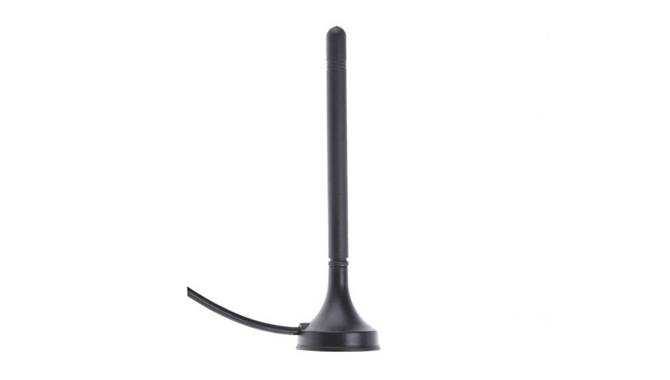
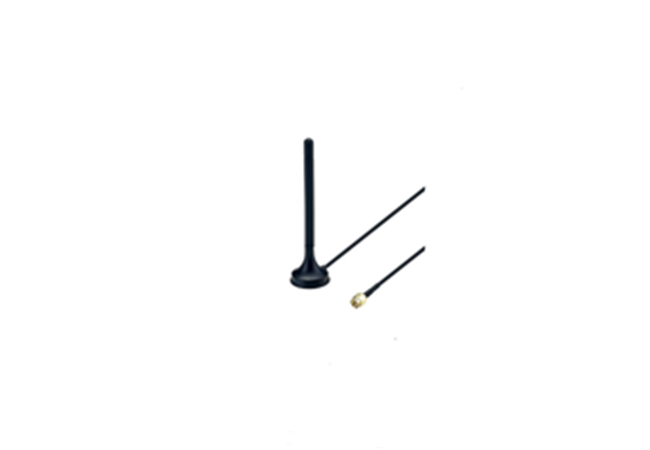
868MHz Magnetic Mount Antenna
Allow flexible positioning on compatible metal surfaces.
Applications
- Temporary installations
- Vehicles
- Test systems
- Portable gateways
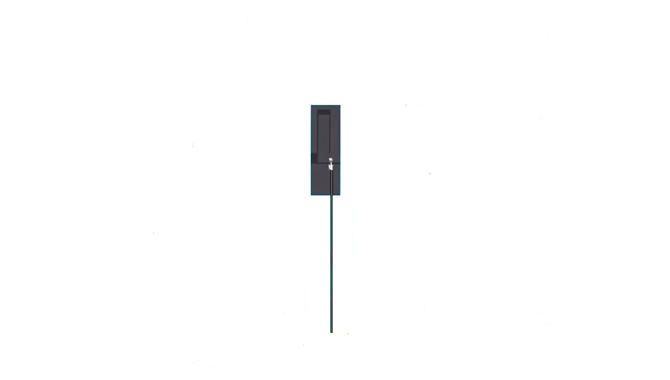
868MHz Embedded PCB & FPC Antenna
Designed for integration inside compact electronic devices.
Applications
- IoT sensors
- Smart meters
- Asset trackers
- Consumer electronics
How to Choose the Right 868MHz Antenna
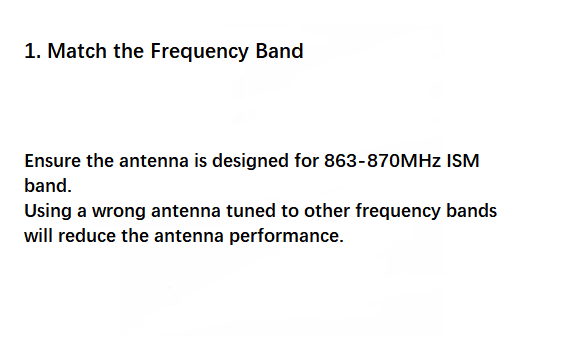
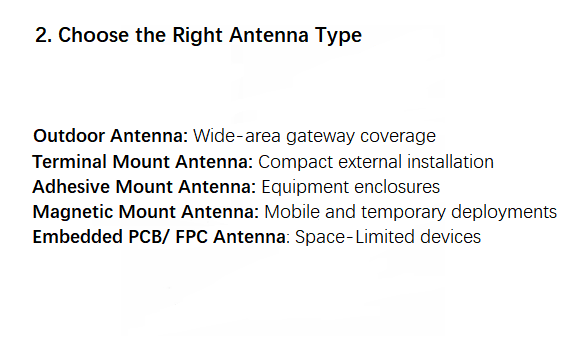
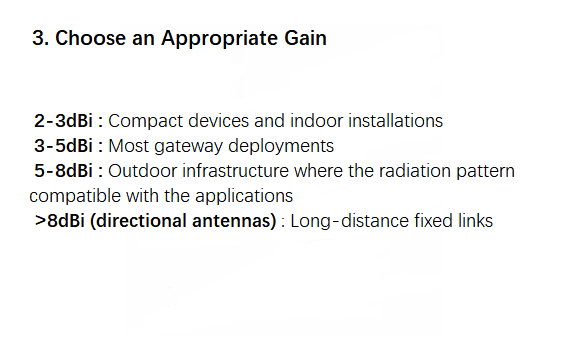
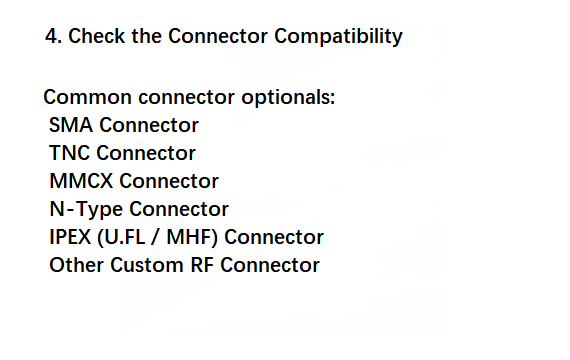
Confirm the above steps with your gateway, modem or wireless module, you will know how to the right 868MHz Antenna for yourself.
Why Choose an 868MHz Antenna ?
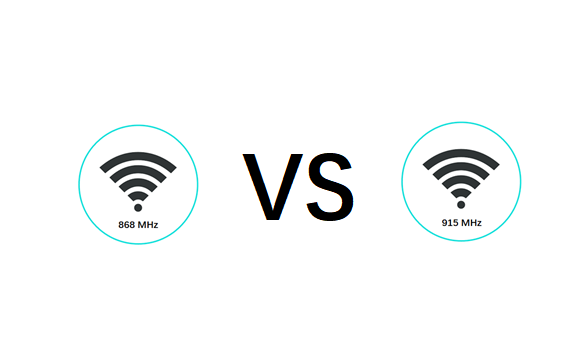
| Feature | 868MHz Antenna | 915MHz Antenna |
|---|---|---|
| Operating Range | 863-870MHz | 902-928MHz |
| Primary Regions | Europe and 868MHz ISM Band | North America, Australia and 915MHz ISM Band |
| Typical Applications | LoRaWAN, Smart Metering, Industrial IoT, Smart Cities | LoRaWAN, Asset Tracking, Agriculture, Logistics |
| Quarter-Wave Antenna Length | Approximately 8.6 cm | Approximately 8.2 cm |
| Common Antenna Types | Fiberglass, PCB, FPC, Magnetic Mount, Terminal Mount | Fiberglass, PCB, FPC, Magnetic Mount, Terminal Mount |
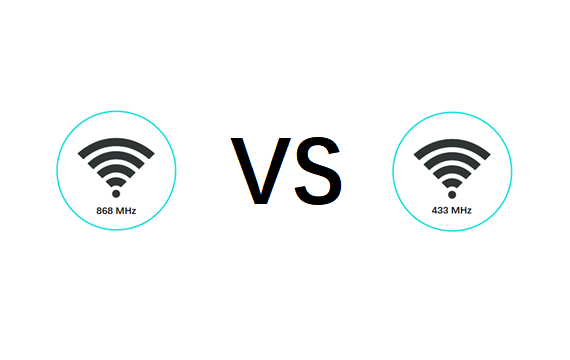
| Feature | 433MHz Antenna | 868MHz Antenna |
|---|---|---|
| Frequency Range | 433.05-433.79MHz | 863-870MHz |
| Quarter-Wave Antenna Length | Approximately 17.3 cm | Approximately 8.6 cm |
| Antenna Size
|
Larger | Smaller |
| Obstacle Penetration
|
Excellent | Good |
| Common Antenna Types | Spring, PCB, Fiberglass, Magnetic Mount | PCB, FPC, Fibergalss, Magnetic Mount |
868MHz Antennas Specifications
- Technical Specifications
- Typical Applications
| Parameter | Specification |
|---|---|
| Model | |
| Frequency Range | 863-870 MHz |
| Center Frequency | 868 MHz |
| Antenna Type | 868MHz Antenna |
| Radiation Pattern | Omnidirectional |
| Polarization | Vertical / Linear |
| Gain | 2 ∼ 8 dBi |
| VSWR | ≤ 2.0 |
| Return Loss | ≥ 10 dB |
| Impedance | 50 Ω |
| Connector | SMA Male, TNC, N-Type, IPEX (U.FL) |
| Internal Structure | Brass or PCB or Polymayer |
| Housing Material | TPE / ABS / Fiberglass |
| Operating Temperature | -40°C to +85°C |
| Storage Temperature | -45°C to +90°C |
| RoHS Compliant | Yes |
868MHz antennas are widely used in:
- LoRaWAN® gateways
- Helium® hotspots (EU868)
- Industrial IoT (IIoT)
- Smart agriculture
- Smart utility metering
- Environmental monitoring
- Wireless sensor networks
- Asset tracking
- Building automation
- Smart city infrastructure
- Logistics and warehousing
- Renewable energy monitoring
- Oil and gas telemetry
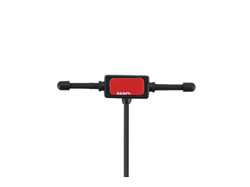
Related 868MHz Antennas
About 868MHz Antenna Questions
If you have any questions on 868MHz antenna, plz check the following questions, if can’t find it, also can contact me.
868MHz antennas are commonly used for LoRaWAN®, LPWAN, smart metering, industrial IoT, environmental monitoring, building automation and other wireless applications operating in the 863–870 MHz ISM band.
No. Although the frequencies are relatively close, antennas are designed for specific operating bands. For best performance, use an antenna that matches your device’s intended frequency range.
Outdoor antennas are often installed higher and outside building materials, which can improve signal quality in many deployments. The most suitable choice depends on your installation environment.
Not necessarily. Higher-gain antennas reshape the radiation pattern. Actual communication range depends on installation height, antenna placement, cable loss, surrounding obstacles, radio settings, receiver sensitivity and local regulations.