




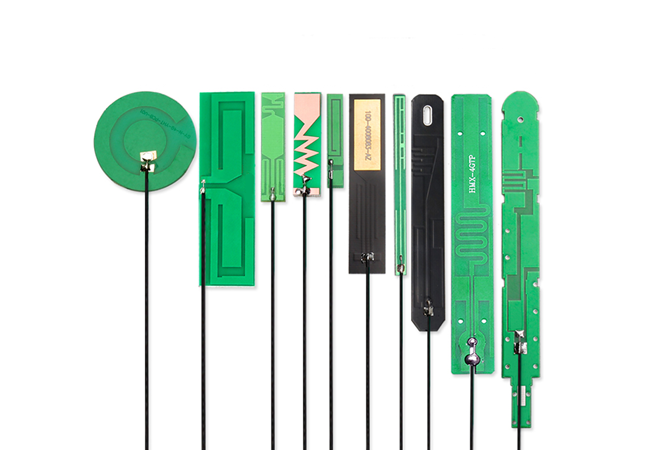
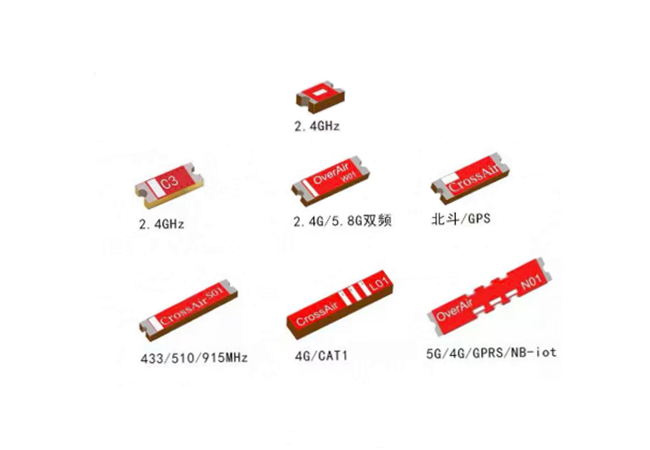
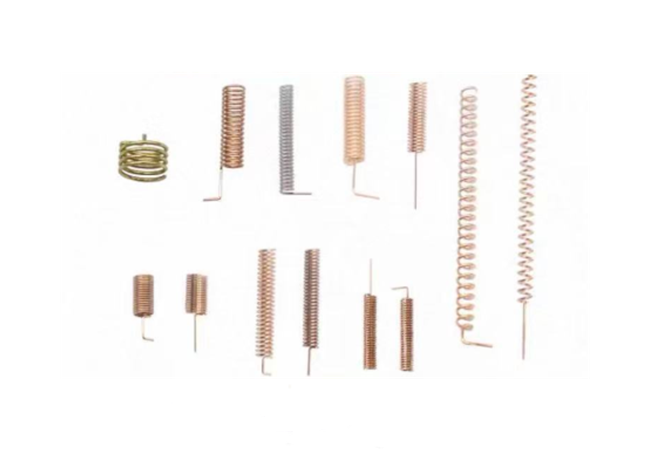
The Key Features of Embedded Antennas
- Compact and Space-Saving design
- Internal integration
- Multi-bands wireless technologies
- High performance and high efficiency
- Multiple installation options
- Cost-Effective solutions
- Low power consumption
- OEM & ODM designs
- Wide range of applications
How Does an Embedded Antenna Work ?
An embedded antenna converts electrical RF signals into electromagnetic waves for wireless transmitting and receiving incoming radio waves for smart devices.
Unlike external antennas, the embedded antennas are integrated into the device enclosure, some factors are very important to consider :
- PCB layout
- Ground plane size
- Enclosure material
- Battery placement
- Cable routing
- Operating frequency
Proper RF design and tuning are important to achieve the intended wireless performance.
Embedded PCB Antennas
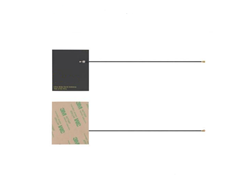
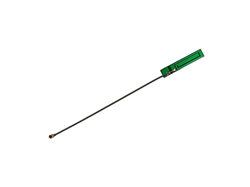
Embedded PCB Antennas are etched directly onto the printed circuit board or sticked to inside of enclosure.
Applications:
- Wi-Fi
- Bluetooth
- Zigbee
- Smart home devices
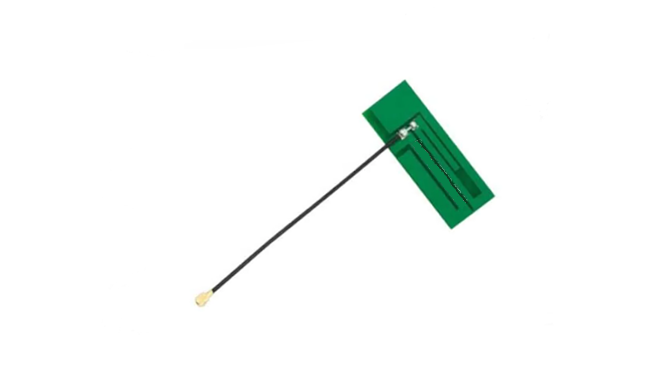
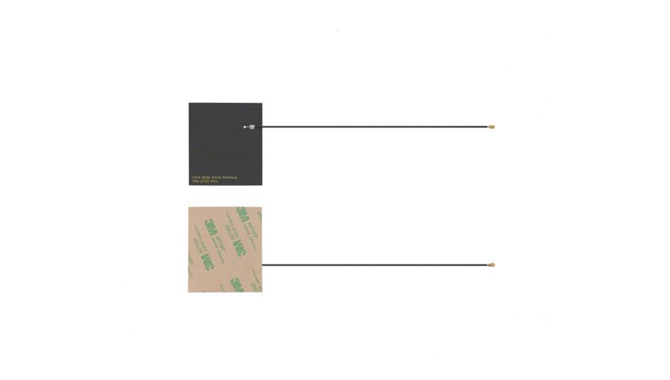
Embedded FPC Antennas
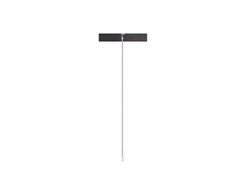
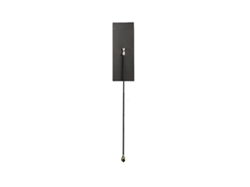
Embedded FPC (Flexible Printed Circuit) Antennas are made from a flexible polymer and can be mounted inside various device enclosures.
Applications
- LTE/5G devices
- LoRaWAN sensors
- GNSS receivers
- Tablets
- IoT gateways
Embedded Ceramic Antennas
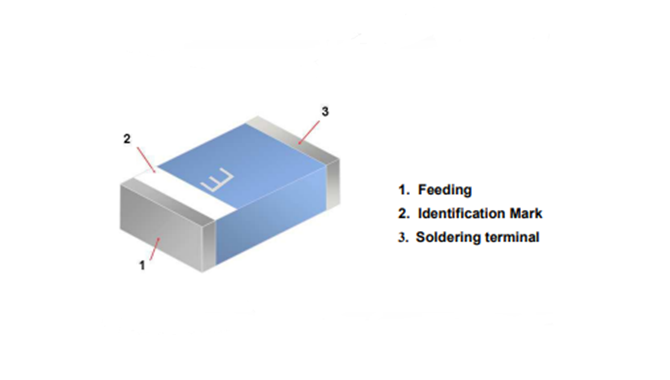
Embedded Ceramic Antennas are miniature surface-mount antennas designed for very small electronic PCB board.
Applications
- Wearables
- Medical equipment
- Bluetooth modules
- Compact IoT sensors
Embedded Spring Antennas
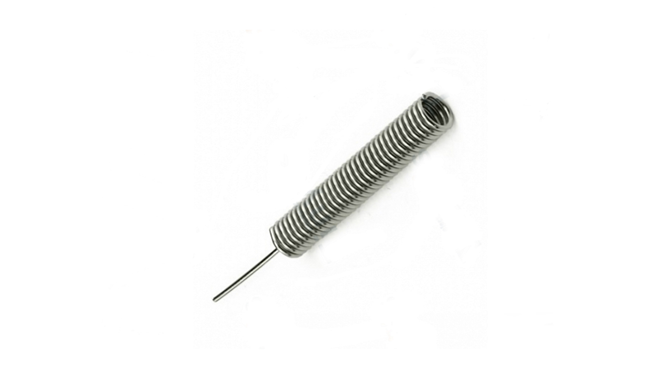
Spring antennas use a coiled metal structure and are commonly designed for lower-frequency wireless systems.
Applications
- 315 MHz
- 433 MHz
- 868 MHz
- 915 MHz
- Remote controls
- Industrial sensors
How to Choose the Right Embedded Antenna
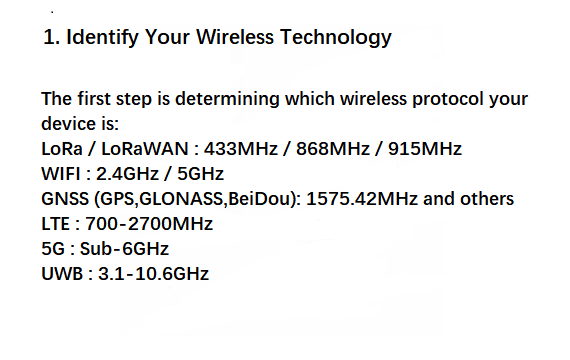
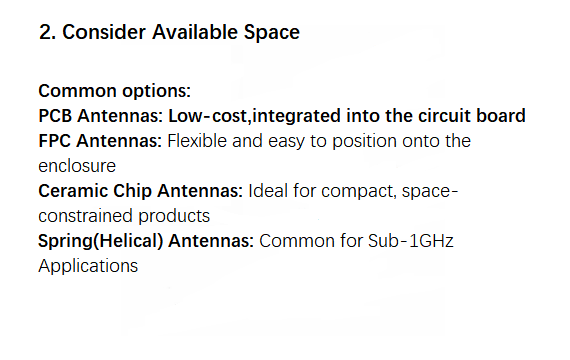
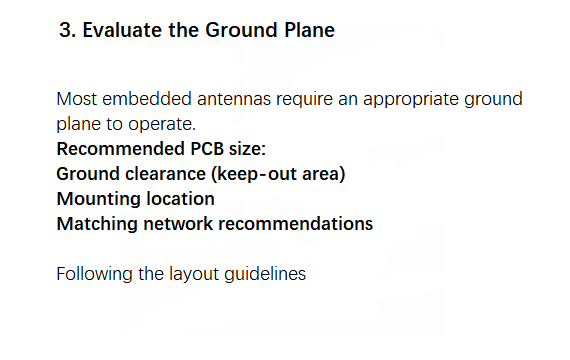
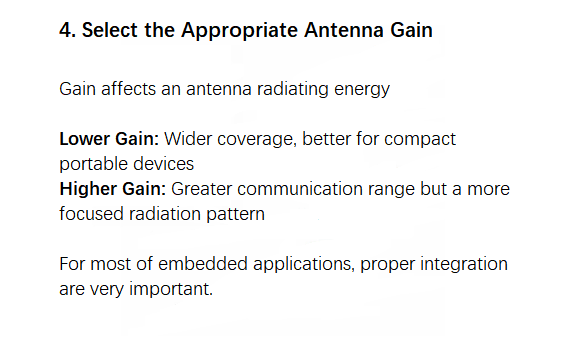
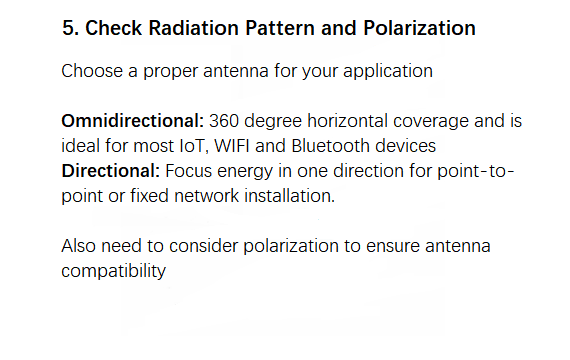
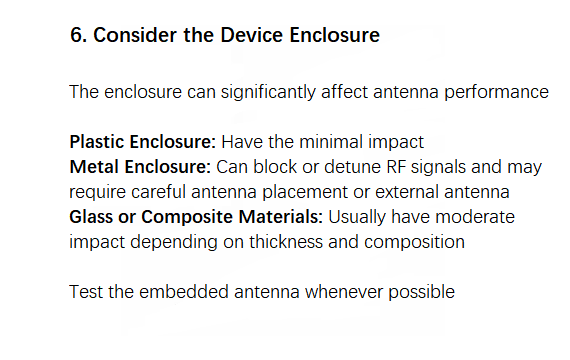
Confirm the above steps with your gateway, modem or wireless module, you will know how to the right 868MHz Antenna for yourself.
Why Choose an Embedded Antenna ?
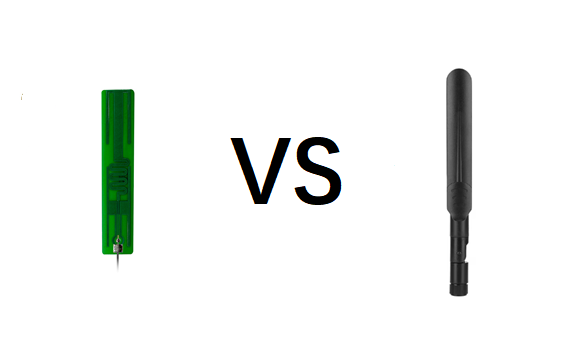
| Feature | Embedded Antenna | External Antenna |
| Installation | Inside device | Outside device |
| Product Appearance | Clean, compact | Visible |
| Mechanical Protection | Excellent | Moderate |
| Installation Flexibility | Lower | Higher |
| Maintenance | Internal | Easy to replace |
| Space Requirements | Minimal external space | Requires external clearance |
| Typical Use | Compact electronics | Gateways, routers, infrastructure |
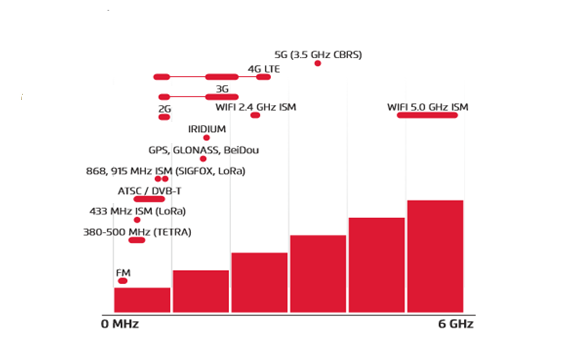
| Frequency | Typical Applications |
|---|---|
| 433MHz | Remote Control, ISM, Telemetry |
| 868MHz | LoRaWAN, Smart Metering, Industrial IoT |
| 915MHz | LoRa, ISM, LPWAN |
| 2.4GHz | WIFI, Bluetooth, Zigbee |
| 5GHz | WIFI |
| GNSS (1575.42 MHz) | GPS Navigation |
| LTE / 5G | Cellular Communication |
| NB-IoT | Smart Utility Networks |
| LTE-M | Asset Tracking |
Embedded Antennas Specifications
- Technical Specifications
- Typical Applications
| Parameter | Specification |
|---|---|
| Model | |
| Frequency Range | 0-6000 MHz |
| Center Frequency | |
| Antenna Type | Embedded Antenna |
| Radiation Pattern | Omnidirectional |
| Polarization | Vertical / Linear |
| Gain | -2 ∼ 5 dBi |
| VSWR | ≤ 2.5 |
| Return Loss | ≥ – 5 dB |
| Impedance | 50 Ω |
| Connector | IPEX (U.FL) or Tinning |
| Antenna Structure | Brass / Ceramic |
| Cable Type | RG1.13 or RG1.37 |
| Operating Temperature | -40°C to +85°C |
| Storage Temperature | -45°C to +90°C |
| RoHS Compliant | Yes |
Embedded antennas are commonly found in:
- IoT sensors
- Smart meters
- Asset trackers
- Wearable devices
- Smart home products
- Industrial automation
- Medical equipment
- Wi-Fi modules
- Bluetooth speakers and headsets
- GPS trackers
- LTE and 5G routers
- Consumer electronics
Related Embedded Antennas
About Embedded Antenna Questions
If you have any questions on embedded antennas, plz check the following questions, if can’t find it, also can contact me.
An embedded antenna is an internal antenna integrated into an electronic device to enable wireless communication without requiring an external antenna.
They are ideal for compact devices and protected installations, but external antennas typically provide higher gain and longer communication range.
Yes. Many embedded antennas are designed for dual-band or multi-band operation, allowing support for technologies such as Wi-Fi, Bluetooth, LTE, and 5G.
Yes. Final tuning and impedance matching are usually performed after installation, because the PCB, enclosure and surrounding components affect antenna performance.