


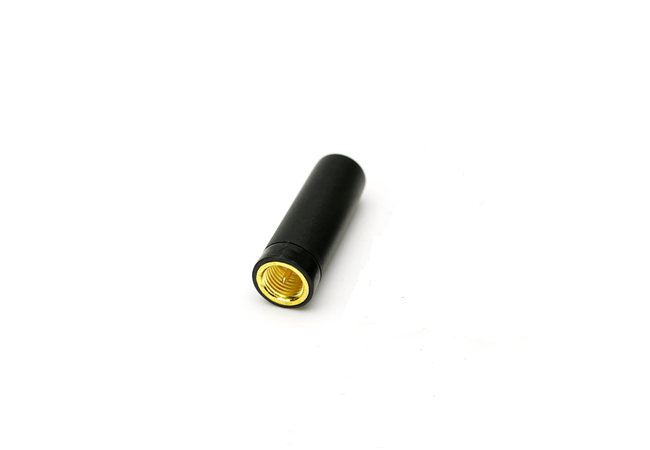
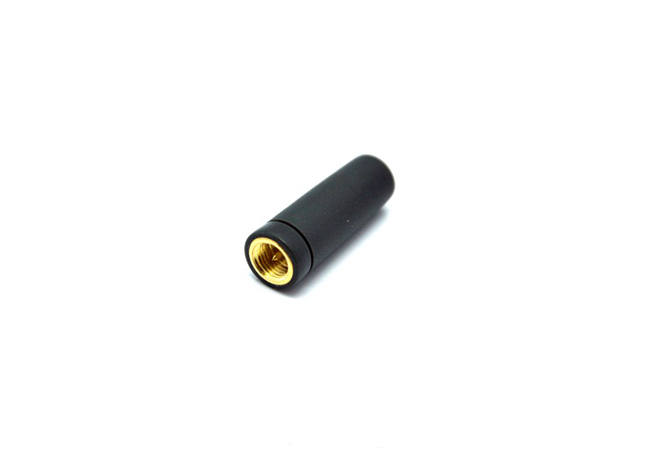
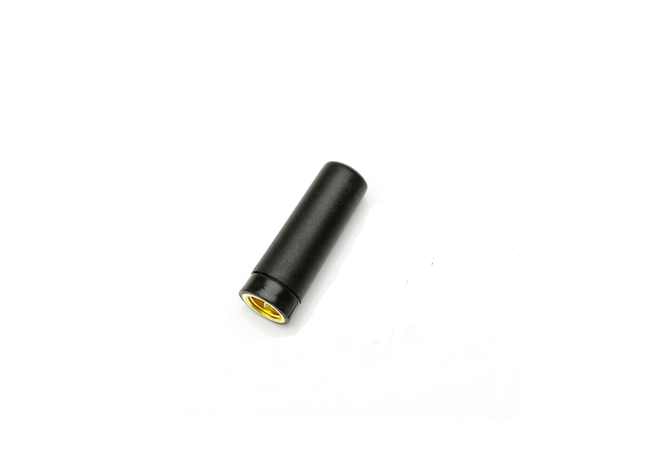
Miniature 2.4GHz SMA Antenna
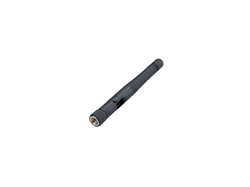
This 2.4G SMA antenna is 1/4 wave omni directional stub antenna which is designed to space-constrained wireless devices.
- 2.4GHz ISM Band
- 0dBi Peak Gain
- Applications for WIFI, Bluetooth and Zigbee
- Omni directional radiation pattern
- IP65 rated
- 28mm length
- RoHS Compliant
- Specifications
- Introduction
- Datasheet
| Parameter | Specifications |
| Product Name | Miniature 2.4GHz SMA Antenna |
| Frequency Range | 2400-2483MHz |
| Peak Gain | 0 dBi |
| Impedance | 50 Ohm |
| VSWR | Less than 2.0 |
| Polarization | Vertical |
| Radiation Pattern | Omni Directional |
| Connector Type | SMA Male |
| Radome Color | Black |
| Package | PE Bag |
| Antenna Length | 28mm |
| Housing Material | TPEE |
| Protection Rating | IP65 |
| Compliance | RoHS compliant |
| Storage Temperature | -40℃ ~ +80℃ |
| Operating Temperature | -30℃ ~ +70℃ |
The Miniature 2.4GHz SMA Antenna is a compact omnidirectional antenna designed for wireless devices operating in the 2.4GHz ISM band. With a frequency range of 2400–2483MHz, 0dBi peak gain, and a compact 28mm length, this antenna is suitable for space-constrained wireless equipment where a small external antenna is required.
Featuring a standard SMA male connector, 50Ω impedance, and a specified VSWR below 2.0, this miniature 2.4GHz antenna can be considered for compatible WiFi, Bluetooth, Zigbee, and other 2.4GHz ISM applications. Its compact design makes it useful for portable electronics, wireless control devices, and industrial communication equipment.
The antenna uses a TPEE housing and is specified with IP65 protection. Confirm the protection rating and installation requirements for the complete assembly before using it in exposed environments.
RF-Aerial supports antenna customization for OEM and ODM projects, subject to technical feasibility. Contact our team to discuss connector requirements, mechanical dimensions, frequency coverage, and integration into your wireless device.
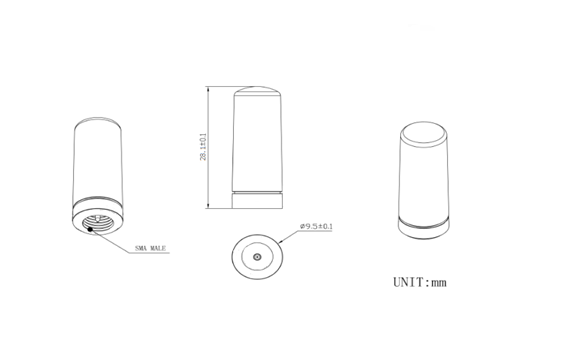
Key Features of the Miniature 2.4GHz SMA Antenna
Compact 28mm Design
The 28mm antenna length makes this model suitable for wireless devices with limited mounting space. It can be considered for compact control equipment, portable electronics, and industrial wireless products.
2.4GHz ISM Band Coverage
The antenna operates from 2400MHz to 2483MHz, a frequency range commonly used by 2.4GHz WiFi, Bluetooth, Zigbee, and other compatible ISM-band devices.
Omnidirectional Radiation Pattern
The omnidirectional design provides coverage around the antenna in the horizontal plane. Actual coverage depends on antenna orientation, nearby objects, the device enclosure, and the surrounding RF environment.
SMA Male Connector
The SMA male connector enables connection to equipment with a compatible SMA female interface. Confirm connector type and polarity before ordering, because SMA and RP-SMA are not interchangeable.
Compact Housing with IP65 Protection
The antenna is specified with a TPEE housing and IP65 protection. For outdoor or industrial installations, confirm that the rating applies to the complete installed assembly and that the mounting interface is adequately protected.
Typical Applications of a Miniature 2.4GHz Antenna
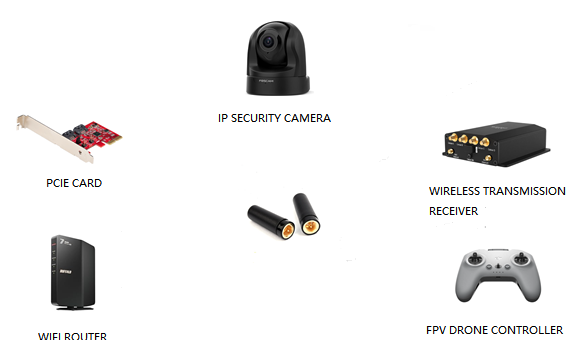
- WiFi equipment: Compact devices operating in the 2.4GHz WiFi band.
- Bluetooth devices: Compatible wireless control and data communication products.
- Zigbee systems: Smart home, sensor, and automation devices operating at 2.4GHz.
- Industrial wireless equipment: Compact control units and compatible ISM-band communication devices.
- Portable electronics: Devices where antenna size and mechanical clearance are important.
- Wireless modules: RF modules with matching frequency support and a compatible SMA interface.
How to Choose a Miniature 2.4GHz Antenna
- Frequency range: Confirm that the antenna covers the device’s required operating frequencies.
- Physical size: Check the 28mm antenna length and the clearance available around the connector.
- Connector compatibility: Verify SMA versus RP-SMA and the required connector gender.
- Gain and coverage: Choose an antenna based on the required coverage pattern rather than selecting by gain alone.
- Installation environment: Consider enclosure materials, nearby metal surfaces, mounting position, and the required environmental protection.
- RF validation: Measure antenna matching and evaluate wireless performance in the final assembled product.
Miniature 2.4GHz Antenna vs. High-Gain WiFi Antenna
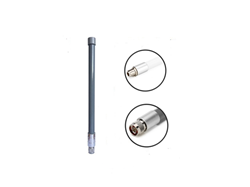
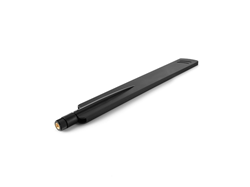
A miniature antenna and a high-gain WiFi antenna serve different design needs. A miniature antenna prioritizes compact dimensions, while a higher-gain antenna may provide greater coverage in selected directions or installation conditions.
The best option depends on available space, device placement, the required coverage pattern, and the performance of the complete wireless system. A higher gain specification alone does not guarantee better WiFi speed or greater range.
Related Products
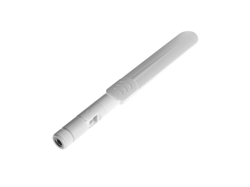
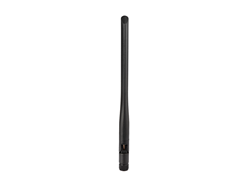
A miniature 2.4GHz SMA antenna is used in compatible wireless devices operating in the 2.4GHz ISM band, including WiFi, Bluetooth, Zigbee, and industrial wireless equipment. Its compact size is useful when mounting space is limited.
A 0dBi antenna can be suitable for WiFi devices when its frequency coverage, radiation pattern, and installation meet the system requirements. The best choice depends on the required coverage and device design; higher gain is not automatically better.
This model is specified for 2400–2483MHz, covering the commonly used 2.4GHz ISM range. Confirm that this range matches the intended wireless application.
This model is specified for 2400–2483MHz only. It should not be assumed to support 5GHz WiFi. For dual-band WiFi, choose an antenna specifically designed and tested for both 2.4GHz and 5GHz operation.
The product is specified with an SMA male connector. Check the device’s connector interface and verify whether it requires standard SMA or RP-SMA before ordering.
The product listing specifies IP65 protection. IP65 indicates dust-tight protection and resistance to water jets under defined test conditions; it does not mean the antenna can be submerged. Verify the complete assembly’s rating and installation requirements before outdoor use.
The effect depends on the original antenna, placement, matching, and the surrounding environment. Replacing an antenna may improve performance if it better suits the device and coverage requirements, but a miniature 0dBi antenna does not inherently provide greater range than a higher-gain alternative.
RF-Aerial supports OEM and ODM antenna projects. Depending on the design, customization may include connector options, mechanical dimensions, cable configurations, and RF requirements. Contact the manufacturer to confirm the available options for your application.