


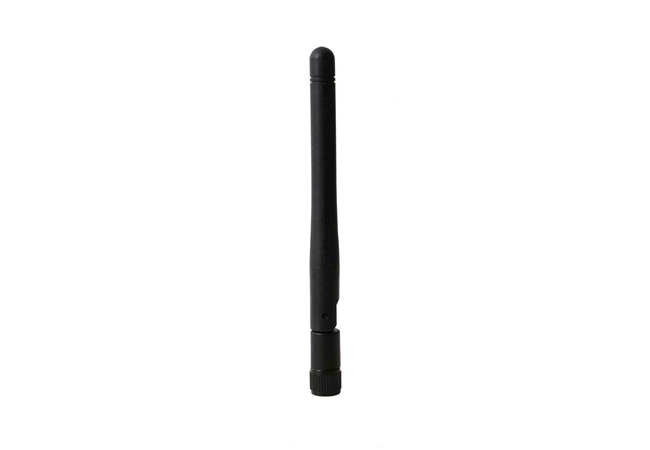
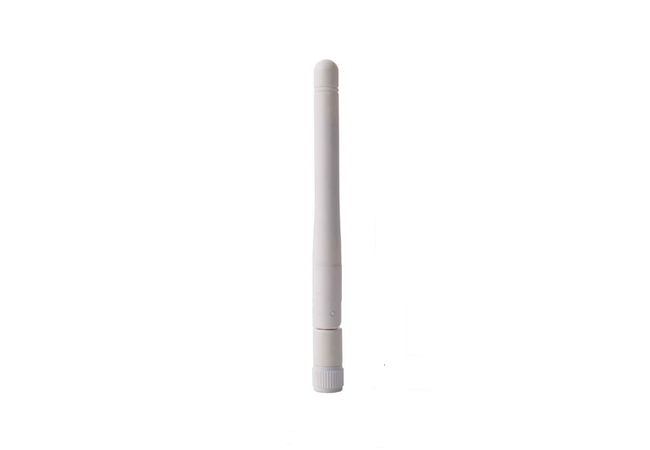
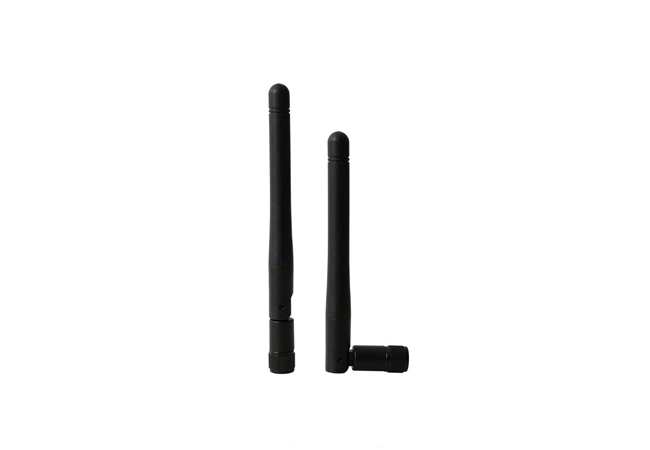
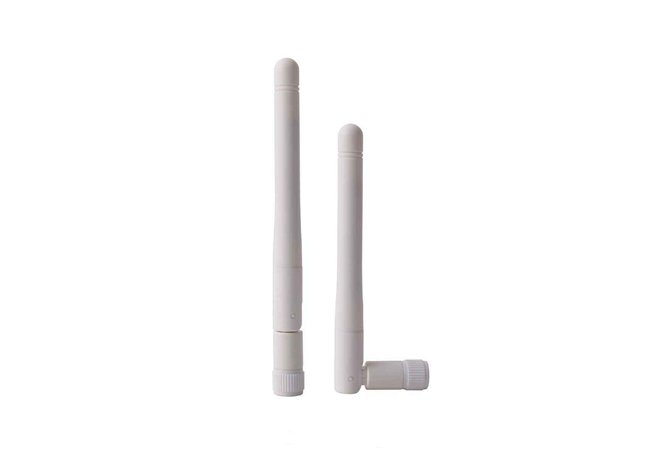
433MHz LoRa Antenna for LoRa, IoT and Industrial Communication
- Optimized for 433MHz ISM Band
- 2dBi High Gain
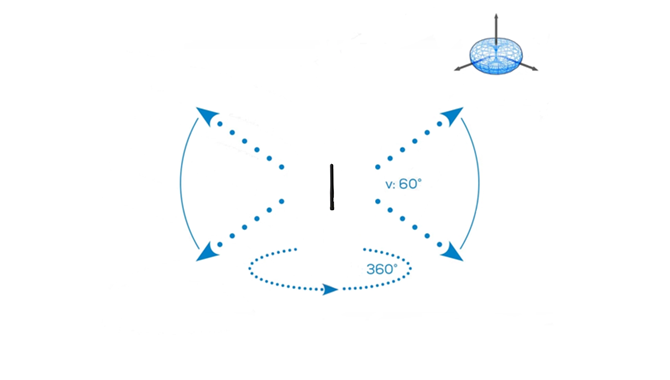
- Omni Directional Coverage
- Low VSWR Design
- SMA Male Connector
- RoHS Compliant
What is a 433MHz LoRa Antenna ?
A 433MHz LoRa Antenna is a compact, flexible, omnidirectional antenna designed to transmit and receive radio signals in the 433MHz ISM (Industrial, Scientific, and Medical) band. It is one of the most commonly used antennas for LoRa, wireless sensors, remote controls, telemetry systems, smart metering, and industrial IoT applications.
It is commonly used in:
- LoRa systems
- Remote controls
- Wireless sensors
- Telemetry equipment
Key Features of 433MHz LoRa Antenna
- Optimized for 433MHz ISM Band-Designed for 433MHz wireless communication systems
- Omni Directional Coverage– 360° radiation pattern provides reliable signal reception and transmmion
- Low VSWR Design-Efficient impedance matching minimizes reflected power and improves communication reliability
- Industrial-Grade Reliability-Suitable for long-term deployment in industrial environments
- Durable Rubber Housing– Flexible antenna structure protects the internal radiator
- OEM & ODM Available– Custom connector,cable length, branding and packing services available
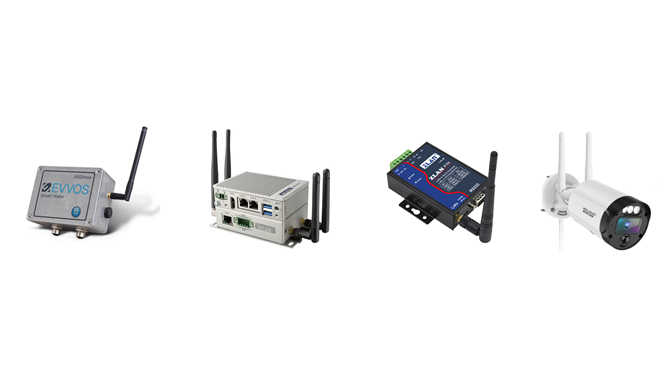
Typical Applications of 433MHz LoRa Antenna
- LoRa Networks
433MHz LoRa Antennas are widely used in: LoRa Nodes, LoRa Gateways, LPWAN Networks
- Smart Metering
Suitable for : Water Meters, Gas Meters and Electricity Meters, Soil Monitoring
- Industrial IoT
Used in: Remote Monitoring Systems, Wireless Data Acquisition and Industrial Automation
- Security Systems
Commonly used for: Wireless Alarms, Access Control Devices and Remote Control Systems
OEM and Customization Options
RF-Aerial supports antenna customization for different wireless device designs. Depending on project requirements, available options may include operating frequency, connector type, housing appearance, logo printing and packaging.
Advantages of 433MHz LoRa Antenna
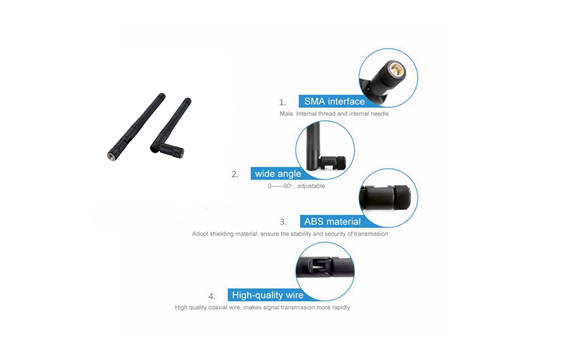
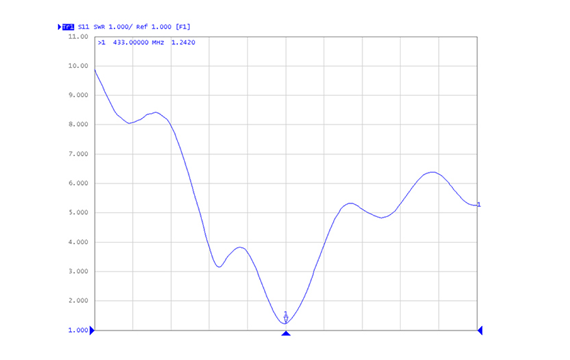
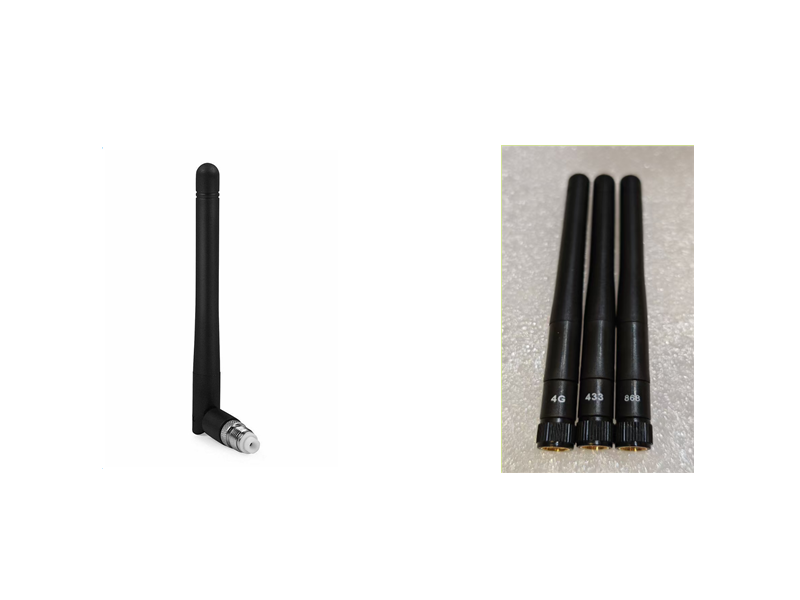
This 433MHz Whip Antenna offers long communication range, strong obstacle penetration, omnidirectional coverage, 50Ω impedance matching and compact external installation. These advantages make it an excellent choice for LoRa networks, industrial IoT systems, smart metering, telemetry, security devices, and wireless sensor applications.
Why Choose a 433MHz Antenna ?

| Feature | 433MHz Antenna | 2.4GHz Antenna |
| Typical Applications | Sub-GHz IoT, telemetry, remote control | WiFi, Bluetooth, Zigbee |
| Antenna Size | Generally larger | Generally smaller |
| Propagation | Often favorable for coverage through obstacles | More affected by obstacles under comparable conditions |
| Selection Priority | Sub-GHz radio compatibility | 2.4GHz radio compatibility |
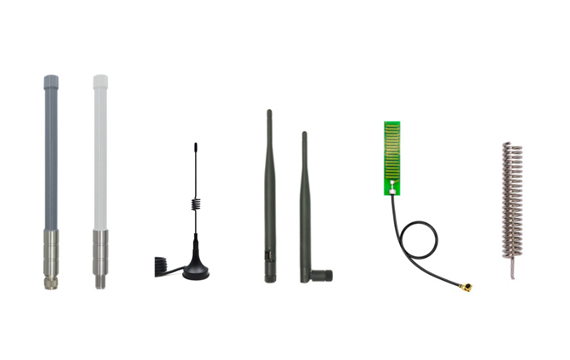
| Application | Recommended Type |
|---|---|
| LoRa Node | Rubber Duck |
| Gateway | Fiberglass |
| Vehicle | Magnetic Mount |
| Embedded Device | PCB Antenna |
Antenna Specifications
- Technical Specifications
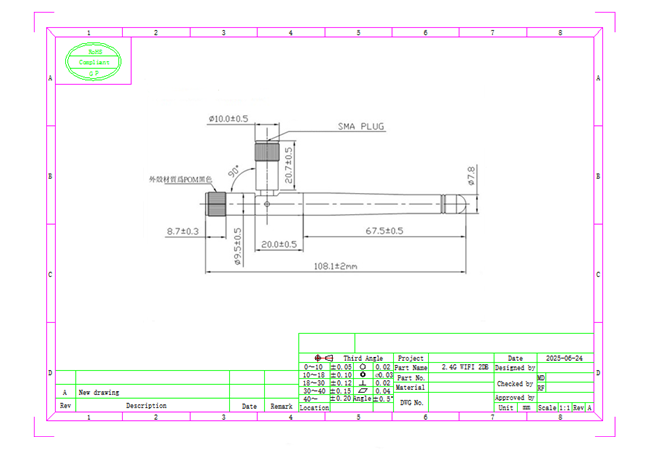
- 433MHz LoRa Antenna Drawings
| Parameter | Specifications |
|---|---|
| Model | MS-433XZD-001 |
| Frequency Range | 433–435 MHz |
| Center Frequency | 433.92 MHz |
| Antenna Type | LoRa Antenna |
| Radiation Pattern | Omnidirectional |
| Polarization | Vertical |
| Gain | 2 dBi |
| VSWR | ≤ 2.0 |
| Return Loss | ≥ 10 dB |
| Impedance | 50 Ω |
| Connector | SMA Male |
| Length | 108 ± 1 mm |
| Housing Material | TPE / ABS |
| Operating Temperature | -40°C to +85°C |
| Storage Temperature | -45°C to +90°C |
| RoHS Compliance | Yes |
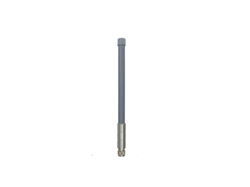
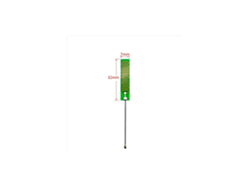
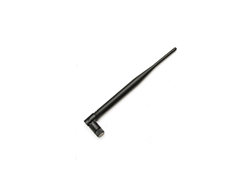
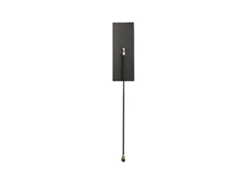
Related 433MHz Antennas
About 433MHz LoRa Antenna Questions
If you have any questions on 433MHz antenna, plz check the following questions, if can’t find it, also can contact me.
A 433MHz LoRa antenna is used with compatible sub-GHz wireless equipment for applications such as IoT sensor networks, remote monitoring, telemetry, smart metering and industrial communication.
The MS-433XZD-001 operates from 433MHz to 435MHz, with a center frequency of 433.92MHz.
It can be used with an SX1278-based module when the module is configured for a compatible 433MHz operating frequency and the RF connector and impedance are matched. The module’s actual RF interface must be checked before connection.
The specified peak gain is 2dBi. This makes it suitable for general-purpose wireless coverage where a compact omnidirectional antenna is required.
SMA and RP-SMA connectors have different center-contact configurations. They should not be assumed to be interchangeable based only on their external appearance. Always verify the equipment’s connector interface before ordering.
No, this model is specified for 433–435MHz. Use an antenna designed and tested for the operating frequency of an 868MHz or 915MHz radio system.
Connector and frequency options can be discussed for OEM projects. Confirm the required operating band, connector interface and mechanical dimensions with the manufacturer.